
You Are Not Broken (Even If It Feels Like It Right Now)

This article was originally published on June 30, 2025, but with how often I see people struggling this time of year, it felt worth revisiting.
Not because the message has changed, but because the way many people are interpreting their struggles hasn’t.
(I’ve also cleaned up some formatting, and added in an FAQ section and some links for further reading at the end if you want to explore these ideas further.)
When progress feels harder than it should, the story people tend to tell themselves is a familiar one:
“I just need more willpower.”
“I’m not disciplined enough.”
“If I really wanted this, I’d be doing better by now.”
It’s an understandable conclusion. Effort matters. Discipline matters. And when you’ve tried repeatedly and still feel stuck, it’s easy to assume the missing ingredient must be more resolve… more toughness… more grit.
But after years of working with people who are thoughtful, capable, and already trying far harder than they give themselves credit for, I’ve come to see a different pattern.
Most people aren’t failing because they don’t care enough.
They’re failing because they’re relying on willpower in situations that actually require structure, support, and better containment instead.
Under stress, fatigue, emotional load, or uncertainty, willpower becomes unreliable. That isn’t a personal flaw, it’s a human one. When we don’t understand that, the default response is self-criticism. People push harder, restrict more, swing toward extremes, and quietly conclude that something must be wrong with them when it still doesn’t stick.
That belief is heavy. And it’s wrong.
This article was written for the moment when frustration turns inward… when setbacks stop feeling like events and start feeling like evidence. Evidence that you’re broken, undisciplined, or somehow missing something everyone else seems to have figured out.
So without further ado, there’s something that needs to be said clearly, without qualifiers or conditions:
You Are Not Broken (Even If It Feels Like It Right Now)
You’re here, reading this, which probably means you’re not feeling great about where you’re at. Maybe you feel stuck. Maybe you’ve fallen off track. Maybe you’re quietly wondering if you’re just not cut out for this whole fitness and health thing, or that everyone else got a manual for discipline, and you missed the day it was handed out.
Let’s get something straight right now:
You are not broken.
You might be exhausted. Overwhelmed. Frustrated. Disappointed.
But you are not broken.
And no matter how loud that voice in your head is, the one that says “This is just who I am,” or “I always mess this up,” I promise, that’s not the end of your story.
Because here’s the truth:
Just because you’ve struggled doesn’t mean you’re doomed to keep struggling.
Let’s unpack that.
The Shame Script You Didn’t Realise You Were Running
Most of the people I work with are smart, capable, and successful in other parts of their lives. And yet, when it comes to health, nutrition, or movement, they start talking like they’re fundamentally flawed:
“I’ve always been this way.”
“This is just who I am.”
“I just can’t control myself.”
“I blew it…again.”
What’s really happening there?
It’s identity-level shame.
They’re not just saying, “I made a mistake.”
They’re saying, “I am a mistake.”
And once you start believing that narrative, it becomes a self-fulfilling prophecy. You try to “fix” yourself by going too hard, too fast, with extreme diets, rigid workout schedules, and all-or-nothing goals. You’re trying to overcompensate for what you think is a deep flaw.
But here’s the kicker:
It’s not your willpower that’s failing, it’s your approach.
The Cycle That Keeps You Stuck
Let’s look at what usually happens when someone feels “broken” and tries to fix it:
They go extreme.
They decide to finally “get serious”, which means cutting carbs, doing two-a-day workouts, or tracking every calorie down to the gram.They burn out.
Because that level of intensity is unsustainable, especially on top of work, kids, aging parents, bills, and, you know, life.They fall off.
Cue the guilt, the shame, and the self-talk spiral: “I knew I’d screw this up. I can’t do anything right.”They give up…or go harder.
Some quit entirely. Others double down with an even more punishing plan. And the cycle repeats.
This isn’t discipline.
This isn’t transformation.
This is self-punishment dressed up as self-improvement.
The Other Trap: Quiet Surrender
There’s another, quieter version of this cycle too. One that shows up as resignation instead of overexertion.
You start a program, sign up for a challenge, or download a meal plan. Deep down, though, you’ve already decided it’s not going to work. You’re convinced you’ll fail, because that’s what’s always happened.
So you don’t give it your full effort. You “half-do” it. And when it doesn’t deliver, you shrug and say, “See? I told you this wouldn’t work.”
But here’s the truth neither of these traps want you to hear:
You’re not a failure. You’re just stuck in a pattern that doesn’t work.
And that’s something you can change.

Change Doesn’t Require a Clean Slate, Just a Small Win
When you feel broken, the temptation is to go big — to reinvent yourself overnight and finally “get your act together.”
But if you’ve been burned by that cycle before, here’s a better idea:
Go small. But go ALL IN.
Pick something you’re 90% sure you can do consistently, not just for three days, but for the next three weeks. Then prove to yourself you can follow through.
A few examples:
🍳 Food: Don’t try to overhaul your entire diet. Start by fixing one meal, like breakfast. Add a solid protein source. That’s it.
🚶🏽 Movement: Don’t aim for hour-long sweat sessions. Just walk around the block every day. Yes, even that counts.
🧠 Mindset: Don’t try to force positive affirmations. Just notice when your inner voice turns critical. Label it. No need to change it yet — awareness is the first step.
But here’s the key:
That one change is just the start.
The point isn’t to stop after you get it right once or twice, it’s to build on that momentum. Stack the next small change on top. Then the next. And the next.
One small change won’t transform your life…but a hundred stacked small changes will.
The Identity Shift Starts Here
The stories you tell yourself matter.
And if you’ve been saying, “I’m the kind of person who always blows it,” then every slip-up feels like confirmation.
But what if you rewrote that story, just slightly?
“I’m the kind of person who’s learning to catch myself earlier.”
“I’m building a habit of choosing better, even if I still mess up sometimes.”
“I don’t need to be perfect, just consistent.”
You’re not broken.
You’re becoming.
And like anything in the becoming phase, it’s going to feel messy for a while. That’s okay.
Everyone Struggles. You’re Not the Exception, You’re the Rule.
Let’s kill the comparison game for a second.
That person on Instagram who posts green smoothies and gym selfies every day? They struggle.
That friend who seems effortlessly healthy and balanced? They struggle.
Hell, I struggle a lot.
Seriously. I don’t live in perfect routines. I forget stuff. I make choices I regret. I fight my own mental battles.
Everybody does.
The difference isn’t whether you struggle, it’s how you RESPOND when it happens.
Because struggle doesn’t mean failure.
Struggle means you’re doing the work.
Struggle means you’re forging something stronger.

Work Hardening, and the Beauty of Kintsugi
In metallurgy, there’s a concept called work hardening. It’s the process of making a material stronger by placing it under controlled stress. With repetition, the internal structure of the material becomes more aligned and more resilient to future strain.
It’s the same with your body.
It’s the same with your mind.
Struggle, when met with support, intention, and consistency, doesn’t make you weaker. It makes you tougher, clearer, more capable.
There’s also a Japanese art called Kintsugi, where broken pottery is repaired using gold. Not hidden, but highlighted. The cracks are what make it beautiful. The break becomes part of the story: a visible mark of healing, not shame.
You are not broken.
You are being remade.
A Way Forward (That Doesn’t Involve Beating Yourself Up)
So, now what?
Here’s what I’d invite you to do today, not next Monday or when the next New Year’s Resolution time rolls around:
Pick one small thing.
A food tweak. A short walk. A mindset shift. Keep it simple.Ask yourself: “Can I do this 9 days out of 10?”
If the answer is no, scale it back. This isn’t a challenge, it’s a commitment.Commit fully to that small change.
Not casually. Not “if I have time.” Like it matters (because it does).Build on it.
Once that new habit feels like your baseline, don’t stop. Use that stability to add something else. Let the new version of “normal” keep growing.Track your wins, not just your slips.
Every time you follow through, write it down. Watch what happens to your self-talk when you have receipts.When you stumble (because you will), respond like someone who’s still in the game.
No spirals. No shame. Just, “That happened. What’s next?”
“The world breaks everyone, and afterward, many are strong at the broken places.”
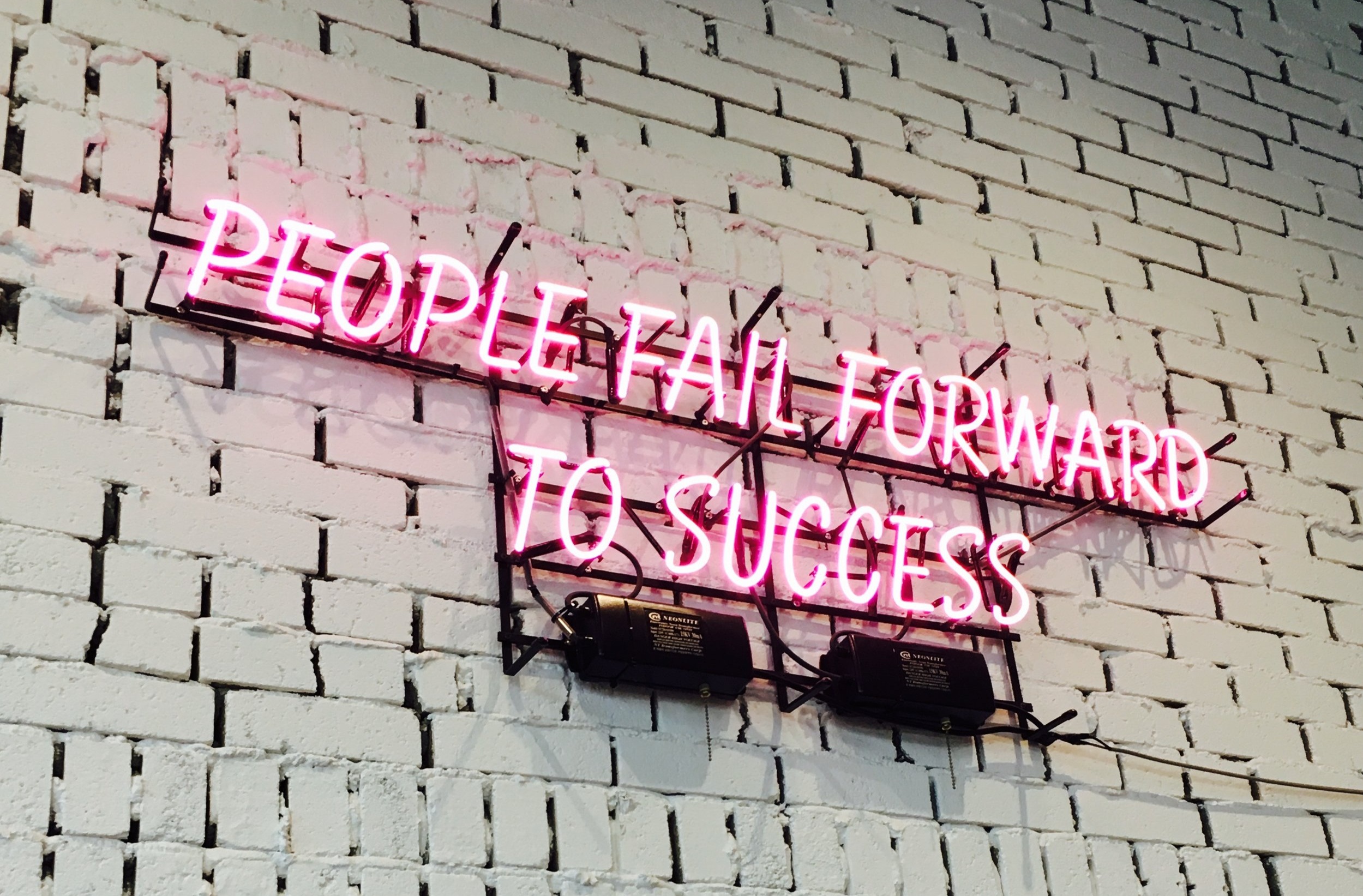
Final Word: You Don’t Need to Be Fixed, You Need to Move Forward
You’re not broken.
You’re not weak.
You’re not hopeless.
You’re just tired of trying things that don’t work.
You’re just stuck in a loop that rewards intensity instead of consistency.
You’re just carrying a story about yourself that isn’t the full truth.
And today, you can start telling a new one.
You don’t have to leap. You don’t have to overhaul.
You just have to choose better, once, and mean it.
Then do it again.
That’s how change really works.
That’s how capability is built.
One committed, imperfect, hopeful step at a time.
If You’re Tired of Trying Harder and Getting Nowhere
A lot of people read pieces like this and come away thinking they need to try harder next time.
That’s not the takeaway here.
If you’ve recognised yourself in the patterns described above, pushing harder, burning out, pulling back, then blaming yourself when it doesn’t stick, the issue usually isn’t effort. It’s that you’ve been relying on willpower in situations that actually require structure and support.
That’s the gap How Weight Loss Really Works is meant to fill.
It’s a free mini-course that walks through the fundamentals most people were never taught, how fat loss actually works, why consistency matters more than intensity, and how to build an approach that holds up under real-world stress instead of collapsing the moment life gets busy.
This isn’t a reset, a challenge, or a motivational push. It’s a framework for understanding what’s been missing, and for replacing self-blame with a clearer, more workable strategy.
You can read more about the mini-course here:
https://www.btgfitness.com/how-weight-loss-really-works
Or, if you are ready to dive straight in, you can enrol directly and get started here.
No hype. No urgency.
Just a more accurate way of thinking about how change actually works.

Frequently Asked Questions
The questions below come up often when people start questioning the “willpower” narrative and reassessing their approach to change. This section will explore them in more depth, with research-aligned answers and practical context.
Why do I keep falling off healthy habits even when I really want to change?
It is common to slip on habits even when your goals matter a lot to you. Research on self control suggests that willpower is limited and can be depleted by stress, decision making, poor sleep, and strong emotions. When life feels heavy, making healthy choices often requires more effort than usual. Strict diets or intense workout plans can also increase feelings of deprivation and pressure, which may push you toward familiar coping behaviours like overeating or skipping movement.
Rather than seeing this as proof that you are weak or incapable, it is often more accurate to assume that the plan itself was too demanding for your current resources. Choosing simpler actions, reducing daily decisions, and building routines that fit your real life tends to make change more sustainable. Over time, repeating small, realistic habits helps them feel more automatic and less effortful.
Why does my willpower disappear under stress or when I am tired?
Willpower relies on mental resources that are highly sensitive to stress, fatigue, and emotional strain. When stress levels are high, the body prioritises short term relief and comfort over long term goals, making choices like reaching for food, screens, or rest feel almost automatic. Chronic tiredness further reduces attention, planning ability, and emotional regulation, all of which are needed for self control.
Under these conditions, relying on willpower alone often breaks down. A more effective approach is to adjust expectations during demanding periods, simplify choices, and lean on structure rather than effort. This might include pre planned meals, scheduled movement, or environments that make the easier choice more obvious. Reducing stress where possible and building basic recovery habits can also lessen the load placed on willpower.
Is there something wrong with me if I can’t stick to a diet or workout plan?
Not being able to stick with a diet or workout plan does not mean there is something fundamentally wrong with you. Many popular plans are rigid, all or nothing, or heavily focused on short term outcomes, which can increase stress and make cravings and fatigue more likely. When a slip happens, it is easy to interpret it as personal failure rather than a predictable response to an unrealistic plan.
Research also shows that shame and harsh self blame can worsen mental health and make it harder to engage in health supporting behaviours over time. A more useful question is whether the plan respects your physical needs, life responsibilities, and emotional capacity. Approaches that emphasise gradual change, flexibility, and realistic expectations are more likely to support consistency without framing lapses as evidence that you are broken.
What is the difference between discipline and relying on willpower or motivation?
Willpower and motivation tend to show up as short bursts of energy or determination that rise and fall depending on mood, stress, and circumstances. Discipline, in the context of health, is less about pushing harder and more about creating patterns you can follow even when motivation is low.
This often involves building routines, cues, and environments that make the desired behaviour easier, such as moving at the same time each day or preparing food in advance. Over time, repeated actions become more habitual and require less conscious effort. Discipline is therefore supported by structure, planning, and realistic expectations rather than constant self pressure. This makes progress less dependent on how motivated you feel on any given day.
Why do I think in all or nothing terms like “I blew it, so why bother now”?
All or nothing thinking is a common mental habit where efforts are judged as either perfect or pointless. In health and fitness, this might show up as believing that missing one workout ruins the entire week or that one unplanned meal cancels all progress. This style of thinking increases pressure and makes it easier to give up when high standards are not met.
It often becomes more pronounced during periods of stress, shame, or comparison. Cognitive and behavioural approaches encourage noticing this pattern and deliberately looking for a middle ground response. For example, reminding yourself that one choice does not erase previous effort can make it easier to return to your routine sooner. Reducing the emotional weight of small setbacks helps limit the cycle where minor disruptions lead to abandoning the plan entirely.
How can I build consistency if I have a history of starting strong and then quitting?
Consistency is more likely to develop from making your plan smaller and more stable rather than trying harder in the same way. Many people begin with ambitious goals that feel exciting at first but are difficult to maintain once motivation dips. Research suggests that moderate, regular behaviours are more sustainable than sporadic intense efforts.
Starting with actions that feel manageable and scheduling them at predictable times can help build a sense of reliability. Completing small commitments reinforces the identity of someone who follows through. Over time, duration or intensity can be adjusted while keeping the base routine intact. Support from others, whether friends, groups, or professionals, can also strengthen consistency without relying solely on internal drive.
How do shame and self blame affect my ability to change my health habits?
Shame and intense self blame often make behaviour change harder rather than easier. When you view yourself as flawed or unworthy because of past struggles, you may be more likely to withdraw, avoid situations where change could happen, or engage in unhelpful coping behaviours. These emotional responses can also increase stress and interfere with sleep, appetite, and energy.
Research suggests that self compassion and separating behaviour from identity support more stable change. Recognising that lapses are common, describing them without harsh judgment, and focusing on the next small action can help interrupt cycles where shame leads to avoidance and further difficulty. Treating setbacks as part of the learning process tends to support continued engagement.
How can I stop overthinking every choice about food and exercise?
Overthinking is often driven by perfectionism, fear of making the wrong choice, or being overwhelmed by conflicting advice. Constant analysis uses mental energy and can make ordinary decisions feel high stakes. One helpful approach is to establish simple personal guidelines, such as a basic meal structure or a short list of movement options, so you are not deciding from scratch each day.
Setting standards that are good enough rather than ideal can also reduce pressure. Cognitive and mindfulness based strategies encourage noticing worry thoughts and returning attention to concrete actions. Over time, repeating straightforward routines can reduce uncertainty and make choices feel more automatic and less emotionally charged.
How should I handle setbacks without losing all my progress?
Setbacks are an expected part of long term behaviour change, not a sign of failure. Illness, stress, travel, or unexpected life events can temporarily disrupt routines even when your intentions remain strong. A helpful first step is to describe what happened factually rather than critically, then consider what the situation reveals about where your plan may need adjustment.
Research on habit formation suggests that returning to your routine at the next opportunity matters more than compensating with extreme effort. Temporarily scaling goals to match your current capacity can help you stay engaged. Viewing setbacks as information rather than verdicts supports resilience and allows progress to continue over time.
Do I need extreme diets or intense workouts to see real change?
Extreme approaches can produce short term changes for some people, but they are often difficult to maintain and may carry physical and psychological risks. Very restrictive diets can increase stress and make certain foods more appealing, contributing to cycles of strict control followed by overeating. Highly intense training without adequate recovery raises the risk of fatigue, injury, and burnout.
Evidence suggests that moderate, consistent activity and sustainable nutrition changes are effective for improving many health outcomes and are more likely to fit into everyday life. Choosing an approach that respects your current fitness level, health status, and schedule increases the likelihood of staying engaged. Over time, steady, manageable changes tend to have a greater impact than repeated bursts of extreme effort.
Further Reading
This article is part of a broader body of work on mindset, behaviour change, and why progress so often breaks down even when people are trying hard.
The pieces below explore related ideas from different angles, identity, self-talk, motivation, and the systems that support consistency over time.
High Performer, Harsh Critic: When Success in One Area Feeds Self-Doubt in Another
Motivation Is a Spark, Not the Engine (And Here’s What Really Drives Progress)
The “I Always Mess This Up” Identity Loop (and How to Break It)
…or if you’d like to read more from some other sources on these topics, here’s some other stuff you could read: